Concrete Services

Signs Your Concrete Needs Repair Or Replacement

Concrete Plano TX

Concrete is remarkable stuff – made up of sand, rocks, water, and cement, it’s one of the most durable materials in existence. But it needs to be maintained and repaired.

If your concrete has major damage, it’s time to consider replacing it with a new slab. Here are some clear signs that your Pittsburgh concrete needs repair or replacement. Visit Concrete Plano TX for more details.

1. Cracks or Holes

Concrete is a very strong material but not indestructible. It’s not uncommon for driveways, patios, and garage floors to show signs of aging in the form of cracks. Cracks aren’t a problem in themselves but can indicate that your concrete needs repair or replacement.

Concrete cracks are caused by many different factors. Whether you’re a homeowner, homebuilder or inspector, it’s important to understand what causes these cracks and how to address them.

Surface cracks are typically caused by shrinkage during curing, which is inevitable in most concrete. These cracks are usually cosmetic and do not affect structural integrity. They can be reduced by proper curing practices and the use of shrinkage-reducing additives in the concrete mix.

Control joints are designed to direct these surface cracks into predictable areas. They are placed at rebar, utility lines, manholes and other obstructions in the slab. However, sometimes these control joints aren’t properly installed. When they fail, they can create re-entrant cracks that radiate from the object. This type of crack is a common cause of failure in reinforced concrete structures.

Water penetration is another common cause of concrete cracks. If your concrete isn’t sealed properly or has an unprotected subgrade, it will quickly start to deteriorate. This is especially true for concrete with a high moisture content, like that found in sidewalks and driveways.

Moisture infiltration can also lead to spalling, which exposes the underlying steel reinforcement. This corrodes the metal, and the resulting rust is pushed outward into the surrounding concrete, creating a widening crack.

If you see a crack that’s a quarter-sized or larger, it’s time to call a professional. These types of structural cracks require a professional inspection to assess the damage and determine the best course of action.

If your concrete cracks aren’t structural in nature, a urethane sealant may be all you need to keep them from worsening. To apply the sealant, first use a plastic putty knife to squish the product into the cracks. Then, rub the putty knife across the surface of the crack to remove excess and blend it into the surrounding concrete texture.

2. Uneven Surfaces

Concrete is strong and durable, but even the toughest materials wear down over time. Ignoring cracks, holes, and uneven surfaces can lead to serious structural problems later on that require costly replacement instead of simple repairs. Adding regular concrete inspections to your home maintenance routine can help prevent these issues before they arise.

Uneven concrete surfaces are more than just unsightly, they’re also a safety hazard that can make it difficult to walk or drive on the surface. Trips and falls from uneven pavement can cause serious injuries, including broken bones and head concussions. And if someone is injured on your property, you could be sued for negligence.

Unlevel concrete is often caused by soil settlement or improper concrete installation. Poor compaction of the sub-base or tree roots can cause the soil to shift and sink underneath your concrete, resulting in low spots and raised sections. Uneven concrete may also be the result of water damage or erosion, causing the slab to sink in certain areas.

Eventually, uneven concrete can cause damage to the sub-base and foundation of your home. This can be extremely dangerous and needs to be addressed immediately.

If you’re noticing these signs on your sidewalks, driveway, patio, or parking lot, it’s important to take action. Adding concrete repair to your home maintenance routine can help keep these surfaces in good condition for years to come.

Cracks, stains, uneven surfaces, and water accumulation are all signs that your concrete is in need of repair or replacement. Adding concrete maintenance to your home routine can help protect these vital structures and ensure they last for years to come.

3. Water Accumulation

Concrete is used everywhere from the foundation of skyscrapers to residential driveways, but this popular building material isn’t immune to damage or deterioration. Some concrete problems can be repaired, while others are best fixed by replacing the entire slab. Here are some signs that it’s time to call a professional:

If you have a concrete surface that is sinking in areas, you may need to have the area leveled and stabilized by professionals. Uneven settlement of concrete is typically caused by poor ground preparation during construction, soil erosion, or water drainage issues. If left unattended, the uneven surface can cause safety issues for people walking on the concrete.

The most common cause of sinking concrete is that the underlying soil can’t support the concrete. Loose soil can also cause the surface to crack and deteriorate due to water infiltration and the freeze-thaw cycle, which occurs when absorbed moisture in the concrete expands and then contracts again.

These cycles are especially damaging to outdoor concrete slabs like patios, pool decks, and porches. Water infiltration causes surface spalling and surface scaling, while repeated freeze-thaw cycles can lead to deep cracking, crumbling, and deterioration of the concrete.

Besides the obvious issues, cracked and damaged concrete can lead to serious safety risks for homeowners. Depending on the location of the concrete and the severity of the damage, you might need to repair or replace the surface for safety reasons.

If the damaged concrete is causing tripping hazards, you should have it repaired immediately. Having this hazard on your property can not only cause accidents, but it could also cost you a lot of money in repairs and fines for the local code violations. If the tripping hazards are severe, it might be better to have your concrete replaced by a professional instead of trying to fix it. This will ensure that you have a safe surface for many years to come. For minor damages, however, resurfacing can be an effective and cost-efficient solution. Your local concrete contractors can recommend the best course of action for your specific situation.

4. Color Changes or Stains

Concrete is one of the most durable materials used in construction, offering stability and resilience for driveways, sidewalks, patios, and foundations. However, even the toughest concrete is not immune to wear and tear, with environmental factors and heavy use compromising its structural integrity over time. Recognizing early warning signs of damage can help St Petersburg residential and commercial property owners keep their concrete surfaces safe, functional, and attractive.

Staining or discoloration in concrete is a common problem that can be caused by a variety of issues. For example, if you have recently had new concrete poured, it’s normal for some areas to be lighter or darker than others at first. This is because the concrete requires a full curing period before it will achieve a consistent color. However, if the concrete is discolored to an extent that it becomes unattractive or dangerous, you should have it repaired or replaced.

When it comes to staining, water-based stains and dyes are typically more effective than acid stains. This is because the former tends to be easier to work with and less likely to migrate or bleed, making it ideal for touch ups and stenciling. Acid stains on the other hand, can cause problems when applied too thickly or in high humidity conditions.

If you notice that your concrete is exhibiting any of the above signs, it’s important to consult with a professional to decide whether repairing or replacing the concrete is the best option. While repair can be a good choice for minor damage, if the slab is showing serious signs of deterioration, it’s usually more cost-effective to replace the entire surface.

With over 30 years of concrete paving experience, Tibbs Paving can help homeowners and business owners evaluate their concrete surfaces and determine the most cost-effective solution. Contact us today to schedule a free consultation and learn more about how we can help you maintain the safety, functionality, and beauty of your concrete!
Concrete Services

How Stamped Concrete Imitates Stone Brick and Wood

Stamped Concrete Denver

Stamped Concrete Denver is highly durable and less costly than natural materials. It’s also sustainable, requiring less mining and cutting of natural resources.

Regularly reseal your stamped concrete to preserve color vibrancy and protect against stains. Select colors that complement your home and landscape. Earthy tones like beige and brown convey a rustic vibe, while grays provide modern elegance.

Brick

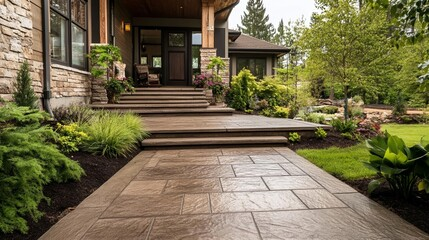
Stamped concrete is a type of decorative hardscaping that imitates the look of stone, brick, slate, wood or tiles in patios, driveways, sidewalks, pool decks and interior floor surfaces. This technique uses special molds and color additives to achieve the desired style, and it can be performed on both new and existing concrete. The result is a cost-effective and durable alternative to premium materials with superior aesthetics and easy maintenance.

The process of installing stamped concrete is complex and time-consuming, which is why it’s best left to the professionals. There are a number of steps that must be executed precisely and quickly to get the best results, including sub-base preparation, mixing the concrete properly, gauging when it’s ready for stamping and ensuring the surface is free from any defects or air bubbles. Once the concrete is poured, contractors apply a waterproofing membrane to protect it from future damage. Next, the concrete is sprayed with color hardener and tested for consistency. Once the concrete is at the correct consistency, it’s ready for stamping. Contractors use a variety of stamps and skins to create the desired pattern, and they can also add texture to the concrete for added visual appeal.

With so many options available, it’s important to choose a style that matches your home’s architectural design and the surrounding landscaping. Many homeowners find inspiration for their stamped concrete project in the details of their home’s exterior, such as a cobblestone driveway or flagstone patio that mirrors the look of the home’s brick façade.

Stamped concrete offers a wide range of color options, as well. Concrete can be colored using integral pigments or surface stains to achieve nearly any shade. Earth tones like browns, tans and grays are popular for creating classic brick patterns or Mediterranean-inspired patios. Warm reds and other rich hues are ideal for creating rustic or vintage styles. Two-toned finishes add depth and realism to any design.

Once the concrete has dried, it’s time to add color. Concrete contractors can apply a single coat of concrete stain or multiple coats to achieve the desired color and sheen. For protection against water, de-icing salts and harsh chemicals, it’s recommended that the concrete be sealed once a year.

Stone

Concrete is a durable material that can stand up to years of wear and tear. It is also an eco-friendly choice, requiring fewer natural resources than quarrying stone or cutting wood. Plus, it can be poured and stamped as a single slab, reducing installation time and labor costs. Stamped concrete can be used to create a wide variety of beautiful designs, from rustic patios and Mediterranean pool decks to sleek walkways and modern driveways.

With a range of available concrete stamps, you can emulate the look of nearly any type of natural stone or wood texture. For example, stone textured concrete adds a classic elegance to outdoor living spaces while faux wood overlays are ideal for updating fireplace surrounds and bringing character to indoor rooms.

Stamped concrete can be colored using integral pigments, color hardeners or surface stains to achieve any shade or tone you desire. The options are virtually endless, from earth tones like browns and tans to vibrant reds and rich greens. Multiple color layers can be added to create more complex designs.

To keep your decorative concrete looking its best, it is recommended that you reseal it every two to three years. Resealing protects the concrete from water and UV rays, while enhancing its color vibrancy and durability. This is especially important in high traffic areas, as regular sealing helps prevent cracking and discoloration.

When resealing, choose a water-based sealer that is safe for use on stamped concrete. This will help prevent the formation of mildew and algae on the surface, which can be a problem with oil-based products.

With proper care, your stamped concrete will continue to look new for decades. For best results, sealers should be applied shortly after coloring to maximize adherence. Regular resealing will also help preserve the lifespan of your decorative concrete and reduce maintenance costs. If you are interested in creating a luxurious and visually appealing space with the versatility of stamped concrete, contact us to discuss your design options. Our team of experts can help you find the perfect solution for your home or commercial space.

Slate

Stamped concrete can mimic the look of high-end materials like stone, slate, brick and wood with added durability. It also offers a wider array of customization options, including color variations and finishes.

Modern stamped concrete can be used in indoor spaces as paving or to decorate walls, facades or ceilings. The versatility of this decorative paving allows for an endless number of combinations, as long as it is applied by experts and the proper surface preparation is followed.

The surface of stamped concrete is very durable, and when properly sealed it can withstand harsh weather conditions and regular use. It is resistant to stains, mold, and termites, making it a suitable choice for outdoor areas, pool decks, patios and driveways. In addition, it is easy to clean and requires little maintenance.

If a stamped concrete surface has become damaged, it can be repaired easily by using a specialized renovation mortar such as Covercem Xtrem. This product is available in a wide range of colours, and it is possible to combine pigments for more subtle and realistic results.

Before starting the repair, it is advisable to clean the area to be treated thoroughly. If the surface has been stained, use a detergent cleaner such as Ecoclean Pro or Ecoclean Construction and let it act for a few minutes before rinsed off with pressurised water.

In the case of cracks or fissures in a concrete slab, it is necessary to identify the cause of the problem. This can be due to an excessive load, a lack of steel mesh, improper compaction, or damage caused during the installation process. Once the cause of the problem has been identified, it can be repaired.

With its endless design possibilities, stamped concrete can complement any style of home and be a more cost-effective option than traditional paving materials. It is also durable and environmentally friendly, using fewer natural resources than stone or wood. If you’re interested in incorporating this versatile material into your next project, contact Fortis Paving for a free quote! We can help you select the right pattern, colour and finish for your needs.

Wood

Using stamped concrete, you can create wood-look flooring that is also more affordable than laying a traditional paving material. Plus, it’s easier to maintain and is more durable. Its resistance to humidity and non-slip character make it ideal for swimming pool decks and patios, as well as interior floors in commercial spaces.

Its versatility allows for endless design possibilities, from rustic patios to sleek modern pool decks. With the right color, pattern, and texture, your new stamped concrete surface can mimic any aesthetic you desire.

To ensure the success of your project, you should work with a licensed and professional contractor. Attempting to stamp concrete yourself or hiring an inexperienced company can result in uneven patterns, premature cracking, and poor finish quality.

A professional will choose the best concrete mix for your application and use advanced installation techniques to ensure a flawless finished product. They will also apply a high-quality concrete sealer to protect your investment from UV rays, water, and staining.

If your stamped concrete becomes damaged, it is important to repair it as quickly as possible. Thoroughly clean the affected area and then apply a concrete repair putty like Covercem Stone or Covercem Monocrom in your chosen color. Once dry, apply a second coat.

To prevent damage to your stamped concrete, avoid using salt-based deicers or harsh chemicals. Also, limit exposure to direct sunlight and keep the temperature in your home or office as close to 70°F as possible.

With its durability and wide range of design options, stamped concrete is an ideal choice for your next residential or commercial project. From driveways to patios, stamped concrete will add value and beauty to your property. Contact Fortis Paving to learn more about how you can elevate your space with this popular and versatile surfacing solution.